Streatham Common rubbish collection guide SW16
Posted on 27/07/2026
Streatham Common rubbish collection guide SW16: a practical, local guide for faster, cleaner waste removal
If you live near Streatham Common, you already know how quickly rubbish can build up. One week it is a garden clear-out, the next it is a broken chair, a few builders' sacks, or a loft full of bits you meant to deal with ages ago. This Streatham Common rubbish collection guide SW16 is here to make the whole process feel far less annoying. It explains how rubbish collection works in the area, what to think about before you book, and how to avoid the small mistakes that turn a simple job into a messy one. Truth be told, waste is easier to deal with when you have a calm plan.
Whether you are clearing a flat, tidying a family home, preparing a rental property, or just trying to get your weekend back, the aim is the same: remove waste safely, legally, and without dragging the job out for days. If you want a broader look at the services behind this kind of work, you can also explore the services overview and the page on waste collection in Streatham.
Here is the useful part: local rubbish collection is not only about lifting bags into a van. It is about sorting items properly, understanding access around Streatham Common and the wider SW16 area, and choosing a service that fits the volume, urgency, and type of waste. That sounds obvious, but in practice it is where many people go wrong.
Why Streatham Common rubbish collection guide SW16 Matters
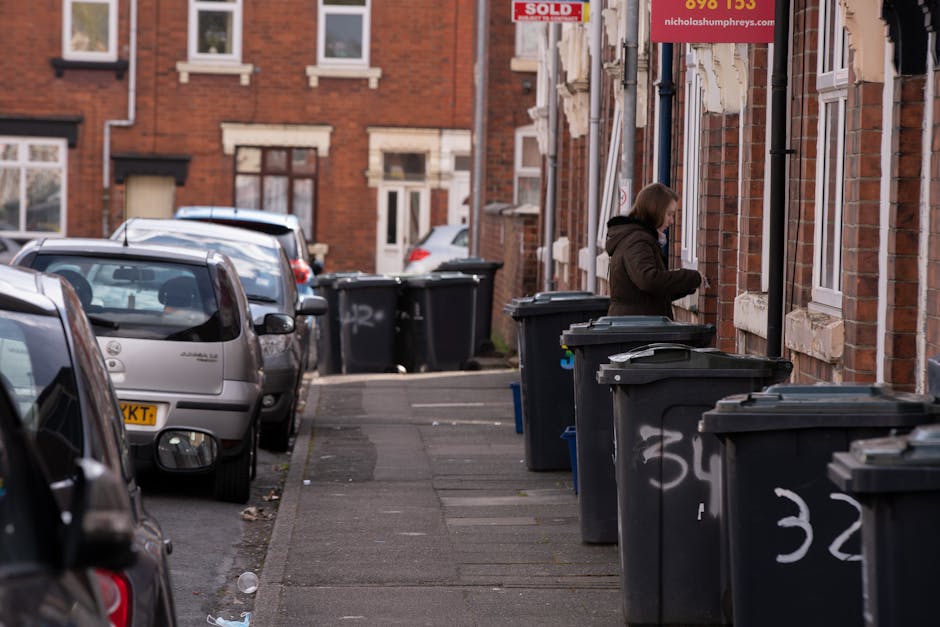
Streatham Common is a lived-in part of south London, and SW16 homes tend to generate the same mix of waste as anywhere else in the city: household clutter, garden cuttings, moving-day rubbish, renovation leftovers, and furniture that has one leg too many wobbling in the wrong direction. But local conditions matter. Narrow streets, parking pressure, shared entrances, flats above shops, and busy residential routines all change how rubbish should be collected.
A good rubbish collection plan saves time, reduces stress, and helps stop waste from sitting around longer than it should. That matters for hygiene too. Old food packaging, damp cardboard, and mixed general rubbish can attract smells and pests faster than people expect, especially in warmer spells. And if you have ever tried to step around three bin bags in a hallway at 7 a.m., you will know it is not exactly the start of a golden day.
The real value of a local guide is simple: it helps you choose the right removal method for the right type of waste. Not everything should go in a standard council bin, and not everything is worth hiring a whole skip for. In many everyday cases, a booked collection service is the cleaner, faster option. For larger mixed clearances, services such as house clearance in Streatham or furniture disposal can be much more practical than trying to shift everything yourself.
Expert summary: The best rubbish collection choice in SW16 depends on the amount of waste, the type of material, access at the property, and how quickly you need the space cleared. Simple job? Keep it simple. Bigger job? Plan it properly.
How Streatham Common rubbish collection guide SW16 Works
Rubbish collection in and around Streatham Common usually follows a straightforward pattern: you identify the waste, book the right service, prepare the items for removal, and let the team handle loading and disposal. The exact process varies a little by provider, but the basic logic stays the same.
For a standard domestic collection, the team typically arrives with a vehicle suited to the job size, checks the waste type, confirms access, and loads items efficiently. For mixed loads, the collection crew will usually separate recyclable materials from general rubbish where possible. That is one reason to choose a provider with a clear recycling and sustainability approach, not just the quickest voice on the phone.
For heavier or awkward items, the process becomes more about planning than lifting. Think wardrobes, dismantled beds, desks, broken appliances, or garden debris from a weekend "I'll just do a bit" project that somehow turned into a small mountain. If you are dealing with bulky items, it can help to read about specific services such as garden waste removal or builders' waste disposal, depending on what kind of mess you are tackling.
There is also an important practical point: collection is often smoother when waste is grouped sensibly before the team arrives. You do not need to become obsessive about sorting every item, but if you can keep wood, metal, electrical items, green waste, and general rubbish roughly separate, the whole job tends to move faster. Faster usually means less disruption. And less disruption, frankly, feels brilliant when you are trying to get on with your day.
Key Benefits and Practical Advantages
Choosing a proper rubbish collection service in SW16 offers more than convenience. The best results come from a combination of speed, safety, and peace of mind. That might sound a bit polished, but it is true. Once waste starts piling up, it quietly affects how a home feels.
- Less clutter: Rooms feel usable again, even if the job started as a "quick tidy".
- Safer spaces: You reduce trip hazards, blocked exits, and overfilled storage corners.
- Better hygiene: Waste is removed before smells, damp, or pests become a nuisance.
- Less heavy lifting for you: No awkward carrying down stairs, through hallways, or around parked cars.
- More suitable for mixed waste: Helpful when you have furniture, packaging, soil, or renovation debris together.
- Time saved: One collection can solve what might take several trips to a disposal point.
There is a psychological side too. A cleared room or cleared garden changes how you think about the place. You start using the space again. A spare room becomes an office, a garage becomes storage that actually works, and a garden stops feeling like a never-ending task list.
If you are weighing up options for a larger clear-out, the broader office clearance in Streatham and house clearance pages are useful because they show how a collection service can scale up beyond one-off bin bags.
Who This Is For and When It Makes Sense
This guide is useful for a surprisingly wide group of people. If you live near Streatham Common, you may need rubbish collection after a clear-out, a move, a refurbishment, or just a phase of life where things have quietly accumulated. Happens to the best of us.
Typical situations where rubbish collection makes sense
- End-of-tenancy or moving-day rubbish
- Old furniture that is too bulky for ordinary bins
- Garden waste after pruning, mowing, or landscaping
- Packaging, broken items, and household clutter after a declutter
- Renovation or DIY debris
- Office or workspace clear-outs
- Pre-sale preparation for a property
It also makes sense if you care about presentation. In Streatham Common and nearby streets, an uncluttered frontage and tidy waste management can make a home feel more cared for. That is especially relevant for landlords, letting agents, homeowners preparing for viewings, and anyone trying to make a good impression quickly.
For local readers interested in the wider area, the article on Streatham living and local advice is a nice companion piece, especially if you want a broader feel for daily life in the neighbourhood. And if you are looking at property value and presentation, the pages on Streatham real estate opportunities and investing in Streatham connect neatly with the practical side of keeping a property in good order.
Step-by-Step Guidance
If you want a simple way to handle rubbish collection in SW16, use this process. It keeps things tidy, and it stops you from paying for the wrong kind of service.
- Identify what needs removing. Make a quick list: general waste, furniture, garden cuttings, building debris, electricals, or mixed household items.
- Estimate volume honestly. A single sofa is different from a full flat clearance. Be realistic, even if the mess is a little embarrassing. No judgement.
- Check access. Think about stairs, narrow hallways, parking, and whether the collection point is easy to reach.
- Separate obvious materials. If possible, keep recyclables, green waste, and bulky items in different piles.
- Choose the right service. Match the job to the waste type. Rubbish collection, furniture disposal, garden waste removal, or full clearance all serve different needs.
- Ask about disposal handling. A reliable service should be able to explain how waste is handled, including recycling where appropriate.
- Prepare the site. Clear a route to the items. Move cars if needed. Open gates or unlock side access in advance.
- Confirm timing. If you have neighbours, landlords, or building managers to consider, time the collection to reduce disruption.
- Keep records if needed. For commercial or landlord jobs, keep a note of what was removed and when. Simple, but useful.
That last point matters more than people think. A tiny bit of paperwork can save a lot of awkwardness later, especially with rental properties or shared buildings. You do not need a filing system worthy of a solicitor; a clear note will do.
Expert Tips for Better Results
In practice, the smoothest collections are usually the ones where the customer has spent ten minutes thinking ahead. Not an hour. Just ten minutes. That is often enough.
What tends to help most
- Take photos before booking. This is especially useful for mixed waste or bulky items because it helps avoid underestimating the load.
- Keep waste dry where possible. Wet cardboard and soaked soft furnishings are harder to handle and can add weight unnecessarily.
- Do not hide items in awkward places. A pile at the back of a shed or under a stair can slow everything down.
- Group similar waste together. Wood with wood, garden waste with garden waste, and so on.
- Ask about recycling approach. A reputable provider should be able to explain their general process clearly.
- Plan around the weather. A drizzly London morning can make outdoor waste handling clumsier than expected. Not a disaster, just mildly annoying.
If you are dealing with garden waste, try to cut larger branches down before collection day, but only if it is safe to do so. If you are handling old furniture, remove cushions, drawers, or detachable parts if that makes the item easier to move. And if you are not sure whether an item is okay to include, ask first. Better that than a collection day surprise.
Another useful habit: think in zones. Front room, garden, loft, garage, hallway. One zone at a time keeps the work from spiralling into chaos. You know the feeling. One bag becomes three, then somehow there is a broken lamp in the bath. Strange how that happens.

Common Mistakes to Avoid
Most waste collection headaches come from a handful of repeat mistakes. Avoid these, and the job becomes much calmer.
- Guessing the volume too low. This is the classic one. A "small pile" can turn into a van-load once it is gathered.
- Mixing restricted items with general waste. Certain items need separate handling, so check before including them.
- Leaving access issues until the last minute. Parking, keys, gates, and lift access should be sorted ahead of time.
- Assuming everything can be picked up the same way. Garden waste, furniture, and builders' debris often need different treatment.
- Waiting until waste becomes a health or safety problem. If rubbish is spreading into walkways or outdoor areas, deal with it sooner.
- Not checking the provider's credentials or safety standards. Trust matters, especially when someone is handling your property and your waste.
A very common one, and quite human really, is forgetting how long sorting takes. People think collection is the time-consuming part. Usually the prep is. If you want the day to go well, prep properly. That is the boring answer, but it works.
Tools, Resources and Recommendations
You do not need specialist equipment for every collection, but a few basic tools can make the process much easier. Small things, big difference.
| Tool or resource | Why it helps | Best for |
|---|---|---|
| Heavy-duty bin bags | Helps contain small general rubbish safely | Household clutter, packaging, light waste |
| Work gloves | Protects hands from rough edges and dirt | Any manual sorting or moving |
| Tape measure | Makes volume estimates more accurate | Bulky furniture, mixed waste, clearances |
| Marker labels | Helps separate items by type | Mixed clear-outs, landlord jobs, office waste |
| Camera phone | Lets you record the load before booking | Quotes, planning, comparison checks |
| Clear route planning | Reduces delays on collection day | Flats, terraces, narrow access points |
For readers who want a more service-focused route, the page on pricing and quotes can help you think through budgeting in a sensible way, while recycling and sustainability is worth reading if you want to understand how responsible waste handling fits into the bigger picture.
And if the job is actually a full property clear-out rather than a standard rubbish pickup, it may be worth looking at house clearance in Streatham or furniture disposal instead of forcing everything into a general collection. That distinction saves money and hassle more often than people realise.
Law, Compliance, Standards, or Best Practice
Waste handling in the UK should always be approached carefully. You do not need to become a legal expert to book rubbish collection, but you should expect any provider to operate lawfully, handle waste responsibly, and follow sensible environmental and safety practices. That includes not leaving waste in random places, not mixing materials in a careless way, and not using a service that feels vague about disposal.
For homeowners, the main practical point is this: if you hand waste to someone else, you still want confidence that it is being dealt with properly. Ask simple questions. Where does the waste go? Is recycling considered where possible? How is the load managed safely? A good provider should answer without sounding evasive.
For landlords, businesses, and anyone with regular collection needs, consistency matters too. Keep records of what was cleared, when it happened, and roughly what type of waste was involved. It does not need to be complicated. It just needs to be clear enough that nobody is guessing later.
Best practice also includes respect for neighbours and shared spaces. In Streatham Common, that can mean avoiding blocked pavements, keeping noise reasonable, and timing collections so they do not create unnecessary disruption. It is a small thing, but it makes life better for everyone on the street. Which, let's be honest, is a rare win.
Options, Methods, or Comparison Table
If you are deciding how to get rubbish removed, the best method depends on the size and type of the job. Here is a straightforward comparison.
| Method | Best for | Pros | Things to watch |
|---|---|---|---|
| Bagged rubbish collection | General household waste | Quick, tidy, simple | Not ideal for bulky or heavy items |
| Bulky item removal | Sofas, beds, wardrobes, appliances | Good for single large items | Access and lifting need planning |
| Garden waste removal | Branches, grass, hedge cuttings, soil | Specialised for outdoor waste | Wet or mixed green waste can be heavier than expected |
| Builders' waste disposal | DIY and renovation debris | Suitable for heavier, messier loads | May need clearer sorting |
| Full house clearance | Large or multi-room clear-outs | Most efficient for major jobs | Needs more time and organisation |
In plain English: if you have one or two items, keep it light. If the job has turned into "everything from the cupboard, the shed, and half the loft," step up to a fuller clearance option. For workspaces, the office clearance service is worth considering if the waste comes from desks, filing, or equipment rather than general home clutter.
Case Study or Real-World Example
A fairly typical Streatham Common scenario goes like this. A family decides to refresh a spare room before hosting relatives over the weekend. At first, the waste looks minor: an old mattress, a cracked bedside table, a few bags of clutter, and some broken shelving. Then the hallway storage gets opened. Then the garage door gets lifted. Then the "we should probably deal with this too" pile appears.
At that point, the job stops being a simple bag collection and becomes a mixed clearance. The smartest move is to assess the load before moving anything too far, group the waste by type, and choose a service that can handle bulky items as well as general rubbish. The family avoids multiple trips, avoids stuffing a car to the roof, and gets the room usable again before the weekend arrives.
That kind of situation is common because rubbish rarely lives in one neat pile. It spreads. A bit here, a bag there, a chair no one wants, a box of old cables you forgot existed. The lesson? Do a proper quick audit before collection day. It sounds formal, but it is really just a walk-around with a practical eye.
If the same property were being prepared for sale or letting, the choice would be even clearer. A tidy, uncluttered space tends to photograph better, feel calmer in person, and support the impression that the home has been looked after. Small things, yes. But they count.
Practical Checklist
Use this checklist before your collection day. It keeps the job on track and prevents the usual last-minute scramble.
- List all items to be removed
- Separate general rubbish from bulky items where possible
- Check for garden waste, furniture, or builders' debris
- Measure awkward or oversized pieces
- Confirm access through hallways, gates, stairs, or parking spots
- Move fragile items out of the way
- Keep pathways clear for safe lifting
- Confirm collection timing and any building restrictions
- Ask how the waste will be handled or sorted
- Take a quick photo of the load if helpful
- Keep a note of what was removed for your records
Small tip: If the room or garden already feels overwhelming, start with the obvious rubbish first. One visible win makes the rest easier. Seriously, it helps.
If you are comparing service quality, it can also be useful to read about the company background on about us, along with the practical reassurance offered by insurance and safety and the straightforward notes on payment and security.
Get a free quote today and see how much you can save.
Conclusion
A good Streatham Common rubbish collection guide SW16 should make life easier, not more complicated. The main idea is simple: match the right collection method to the right type of waste, prepare the load properly, and choose a service that handles removal responsibly. Do that, and the whole process becomes far smoother than the "I'll sort it next week" approach that never quite happens.
In a busy part of south London, where homes are lived in, schedules are full, and space is valuable, clearing rubbish is really about restoring breathing room. A cleaner hallway, a usable garden, a clearer spare room - those little wins change how a property feels. And that feeling matters.
So whether you are dealing with one bulky item or a more serious clear-out, the best next step is to take stock, ask a few sensible questions, and book a solution that fits the job properly. Simple, calm, done.

 Tipper Van - Rubbish Removal and Waste Collection Prices in Streatham, SW16
 Luton Van - Rubbish Removal and Waste Collection Prices in Streatham, SW16


