Streatham Hill station bulk rubbish removal guide
Posted on 21/10/2026
If you are dealing with bulky waste near Streatham Hill station, you probably want the same thing everyone else does: a quick, sensible clearance without turning your day into a headache. This Streatham Hill station bulk rubbish removal guide walks you through what counts as bulk rubbish, how the process usually works, what to watch out for, and how to choose the right approach for your situation. Whether you are clearing a flat, shifting old furniture, or dealing with the leftovers of a small renovation, the aim is to help you get it done cleanly and without faff.
To be fair, bulk rubbish is rarely just "one item". It tends to become three chairs, a broken wardrobe, a rolled carpet, a few bags of mixed junk, and then somehow a lampshade you forgot existed. That is exactly why a clear plan matters. Below, you will find a practical route through the process, plus some local context and a few useful links to related services and advice, including general waste collection in Streatham, furniture disposal options, and recycling and sustainability guidance.
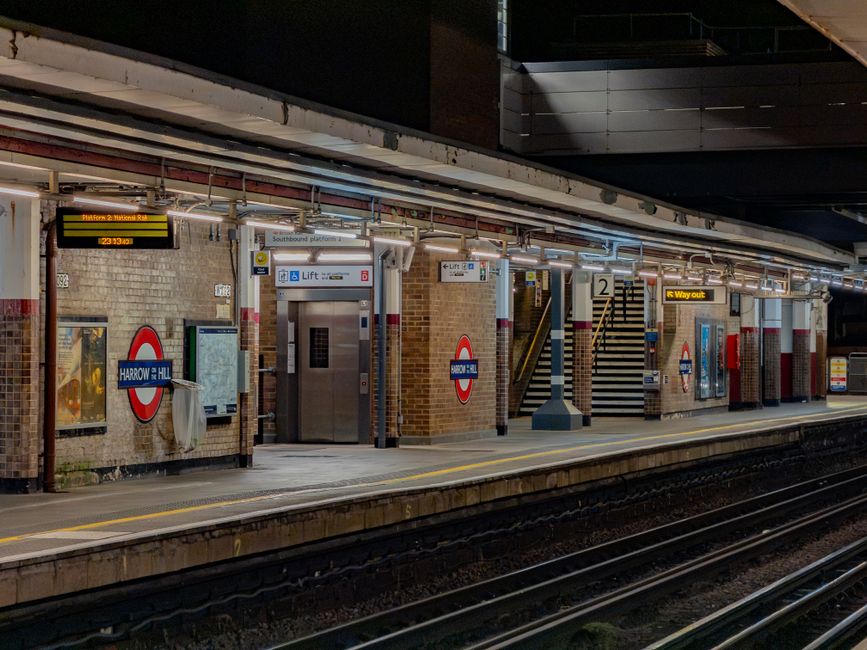
Why Streatham Hill station bulk rubbish removal guide Matters
Streatham Hill station sits in a busy part of South London, where homes, shops, rentals, and shared buildings all generate bulky waste at different times. One skipped sofa or a pile of renovation offcuts can quickly become a practical problem, especially if you live upstairs, have limited kerb access, or are trying to time a clear-out around trains, traffic, and neighbours.
Bulk rubbish removal matters because it is not the same as putting out a normal bin bag. Larger items need lifting, sorting, loading, and often separate handling depending on what they are made of. A mattress is one thing, a broken wardrobe is another, and a mixed load of wood, metal, fabric, and packaging can be a little more fiddly. In a station area, timing matters too. You do not want clutter sitting at the entrance of a property for long, especially if people are coming and going.
There is also a reputation aspect. In residential streets near transport hubs, the wrong approach can look messy very quickly. Nobody wants a front garden or pavement starting to resemble a skip yard. A proper bulk rubbish removal plan keeps things tidy, reduces stress, and usually gets the job done faster than trying to improvise with a car boot and a prayer.
If your clearance is part of a bigger move, renovation, or tenancy handover, this becomes even more important. Readers planning broader property work may also find it useful to look at house clearance in Streatham and related local advice from Streatham living tips.
How Streatham Hill station bulk rubbish removal guide Works
At its simplest, bulk rubbish removal is the collection and disposal of large or awkward waste items that are too bulky for everyday bins. The process normally starts with identifying what needs to go, then deciding whether the waste is reusable, recyclable, or destined for disposal. Sounds straightforward. In real life, mixed waste makes it a touch more interesting.
A good removal service will usually assess the load by volume, item type, access, and lifting difficulty. A single bulky wardrobe on the ground floor is very different from dismantling a heavy bed frame on the third floor with a narrow staircase. Around Streatham Hill station, access can be the deciding factor. Parking, loading space, and timing around the roads all affect how smoothly the job runs.
For many households, the process follows a simple rhythm:
- You identify the bulky items and group them by type.
- You decide whether anything can be reused, donated, or recycled.
- You request a quote or arrange a collection window.
- The items are removed from the property or agreed collection point.
- The waste is sorted and taken for the appropriate disposal route.
That last point matters more than most people realise. A proper provider does not just haul everything to one place and hope for the best. Mixed loads often need sorting so recyclable materials, wood, metal, and general waste can be handled correctly. If you want a broader view of how services are usually grouped, the services overview page is a useful starting point.
Key Benefits and Practical Advantages
Bulk rubbish removal sounds like a purely practical task, but it brings a few real-world advantages that are easy to overlook when you are in the middle of a mess.
- Less disruption: Items are removed in one organised visit rather than slowly building up in a hallway or spare room.
- Better safety: Clearing trip hazards, broken furniture, and sharp edges reduces risk for residents and visitors.
- Cleaner presentation: Helpful if you are moving out, renting out, or preparing a property for sale.
- More efficient recycling: Sorted loads are easier to process responsibly.
- Less physical strain: Heavy lifting is one of those jobs that feels manageable until your back reminds you otherwise.
There is also a mental benefit. A bulky pile in a spare room or at the bottom of the stairs has a way of nagging at you. Once it is gone, the space feels different. Brighter, calmer, easier to use. You notice the floor again. Oddly satisfying, really.
For businesses and landlords near Streatham Hill station, fast removal can support turnover between tenants, reduce complaints, and help properties stay presentable. If you are handling a worksite or refurbishment, the separate builders waste disposal Streatham page is a sensible related resource.
Who This Is For and When It Makes Sense
Bulk rubbish removal is for anyone who has more than a bin-bag problem. It is especially useful if you are dealing with one of these situations:
- moving house and getting rid of unwanted furniture
- clearing a rental property between tenancies
- emptying a garage, loft, shed, or spare room
- disposing of old office furniture or equipment
- tidying up after light building or decorating work
- replacing garden furniture, fencing, or outdoor items
It also makes sense when the waste is awkward rather than just abundant. One oversized sofa can be more trouble than six bin bags. A broken dining table, a dead chest freezer, or a stack of dismantled shelves can all be annoying to move, even before you think about transport. If you live in a flat near the station, stairs and shared entrances can make that inconvenience feel ten times bigger.
Some people try to wait until the pile becomes unbearable. Truth be told, that usually costs more in time and energy. If you already know the items are going, dealing with them early is calmer. And calmer is good.
For more specific situations, it may help to compare with office clearance in Streatham or garden waste removal in Streatham, depending on what you are actually clearing.
Step-by-Step Guidance
If you want a smooth Streatham Hill station bulk rubbish removal process, start with a methodical approach. It does not need to be complicated. It just needs to be sensible.
- Walk through the property. Make a full list of what needs removing. Check cupboards, under beds, and that one corner where everything gets placed "temporarily".
- Separate items by type. Put furniture, electricals, wood, metal, and loose mixed rubbish into rough groups. This helps with planning and pricing.
- Set aside reusable items. Anything in decent condition should be considered for reuse, resale, or donation before disposal.
- Measure awkward pieces. Large wardrobes, wardrobes with mirrors, or heavy desks may need dismantling. Knowing the size helps avoid surprises.
- Check access. Think about stairs, lifts, narrow hallways, parking, and whether the collection team can load nearby.
- Choose the best collection method. Decide between a one-off bulk clearance, general waste pickup, or a more specific service.
- Prepare the items. Move items to an accessible point if safe to do so, remove personal belongings, and disconnect appliances where required.
- Confirm the collection details. Make sure everyone knows the timing, access arrangements, and what is included.
- Allow for sorting on the day. Mixed loads sometimes need a few minutes of practical judgement. That is normal.
- Do a final sweep. Check cupboards, loft hatch areas, behind doors, and under shelving before the team leaves.
A small but useful tip: if you are clearing a flat near the station, try to group items by the exit route. It sounds obvious, but it saves time, reduces bumping into walls, and makes loading noticeably smoother.
Expert Tips for Better Results
The easiest bulk clearances are the ones planned with a little bit of realism. Here are the tips that tend to make the biggest difference.
- Photograph the load in daylight. Dim hallways hide details. A quick photo set helps you remember what is being removed.
- Be honest about mixed waste. If there is rubble, metal, wood, fabric, and household junk all together, say so early. It avoids awkward revisions later.
- Take apart what you safely can. Removing table legs, shelving, or flat-pack pieces can make handling easier. Do not overdo it, though. No heroics needed.
- Keep personal papers separate. Old letters, files, and documents have a habit of sneaking into "junk" piles.
- Plan around neighbours. Early mornings can be convenient, but noise, shared access, and parking all matter. A bit of courtesy goes a long way.
- Use one area for staging. A hallway or entry space is often better than scattering items around the home.
One slightly boring but very useful habit: check whether anything is actually recyclable before you throw it into a general pile. Metal bed frames, clean cardboard, and some wooden items can often be handled more efficiently when separated from general waste. It is not glamorous. It is just smart.
If your clearance is tied to a bigger tidy-up, you may also want to read about furniture disposal in Streatham and recycling and sustainability.
Common Mistakes to Avoid
Most bulk rubbish problems come from the same handful of mistakes. Nothing dramatic, just avoidable stuff that adds time or cost.
- Leaving the sort-out until the last minute. This creates rushed decisions and missed items.
- Mixing everything together. Once waste is heavily mixed, sorting becomes slower and less efficient.
- Forgetting access issues. A lift that is out of service or a blocked entrance can derail the day.
- Not checking item restrictions. Some loads need extra care, especially if they include electricals or potentially hazardous materials.
- Assuming all bulky waste is the same. It really is not. A mattress, a broken freezer, and renovation debris are handled differently.
- Ignoring paperwork or tenancy duties. For landlords and agents, loose ends here can become annoying very quickly.
One classic mistake is placing items outside too early and hoping for a miracle. If the collection window changes, weather turns, or passers-by get curious, you can end up with a mess you did not need. Better to stage items safely and keep them under control until the agreed time.
And yes, every household seems to own at least one mystery item no one claims. Usually a rusty lamp base or a footstool. No one remembers buying it. It just appears.
Tools, Resources and Recommendations
You do not need a van-full of equipment to manage bulk rubbish removal, but a few simple tools make the job much easier.
- Work gloves: Helpful for rough edges, dust, and splinters.
- Strong bin bags or rubble sacks: Good for smaller mixed items, soft furnishings, and loose bits.
- Basic tools: Screwdrivers, an adjustable spanner, or an Allen key set for dismantling furniture safely.
- Protective coverings: Useful for stair edges, floors, and door frames if items are bulky.
- Tape and labels: Great for marking what stays and what goes.
In terms of planning resources, the most useful pages are often the ones that help you understand the wider service picture. The pricing and quotes page can help with budgeting, while insurance and safety gives a better sense of responsible working practice. If you are comparing broader service options, services overview is worth a look too.
For readers who are also thinking about the local area more broadly, these articles provide useful context: the Streatham Common rubbish collection guide and Streatham real estate opportunities. Different topic, yes, but useful if you are planning a move, sale, or refurbishment nearby.
Law, Compliance, Standards, or Best Practice
Bulk rubbish removal in the UK should be handled carefully and responsibly. You do not need to memorise legislation to make a sensible decision, but you should expect a service to deal with waste in line with normal legal and environmental duties. That usually means proper collection, safe handling, and disposal through appropriate routes rather than fly-tipping or casual dumping.
From a best-practice perspective, a few principles stand out:
- Waste should be handled responsibly. Reuse and recycling should be considered before disposal where practical.
- Unsafe handling should be avoided. Heavy lifting, sharp materials, and awkward loads need care.
- Access and property protection matter. Doorways, stairs, and shared areas should be treated respectfully.
- Clear communication matters. Good providers explain what is included and what may need extra handling.
If you are disposing of items that could be classed as electrical or potentially hazardous, pause and check the handling approach before moving them. That is not being fussy. It is just sensible. For general reassurance about how a professional provider operates, the company's about us and terms and conditions pages can help set expectations, while privacy policy and payment and security are useful for the practical side of booking.
It is also worth checking whether your own property or building has any specific rules around communal waste areas, access, or collection timing. In shared blocks, the building manager's preferences can matter as much as the collection itself.
Options, Methods, or Comparison Table
There is more than one way to tackle bulky waste near Streatham Hill station. The right method depends on volume, item type, budget, and how quickly you need it gone.
| Method | Best for | Pros | Watch-outs |
|---|---|---|---|
| One-off bulky waste collection | Single items or a modest pile | Quick, simple, minimal disruption | May not suit mixed or very large loads |
| Full house clearance | Moves, probate, end-of-tenancy clear-outs | Most comprehensive; can handle many items at once | Needs more planning and access coordination |
| Specialist furniture removal | Sofas, beds, wardrobes, office desks | Good for awkward, heavy pieces | Not always ideal for mixed waste |
| General waste collection | Smaller mixed loads | Flexible and practical | Large items may need separate handling |
| Builders waste disposal | Decorating or renovation debris | Better suited to mixed construction waste | Heavier loads can need extra planning |
As a rule of thumb, if your clearance includes household furniture plus miscellaneous clutter, a blended approach often works best. That might mean general waste collection plus separate furniture disposal. If it is mostly construction debris, the builders waste route is usually the cleaner fit.
Case Study or Real-World Example
Imagine a top-floor flat a short walk from Streatham Hill station. The occupier is moving out on Friday, the landlord wants the place cleared by Saturday, and the living room contains a sofa, two armchairs, a dismantled bed frame, several bags of old clothes, and a broken shelf unit. Nothing outrageous. Just enough to make the room feel smaller every time you look at it.
The best move in that kind of situation is not to start carrying everything out randomly. First, separate what can be kept, what can be donated, and what is definitely waste. Then group the bulky items near the exit path, keep the hallway clear, and confirm whether the sofa and bed frame need special handling. If the shelves have screws, brackets, or sharp metal edges, those should be protected or bagged safely.
In practice, that kind of organised prep often saves time on the day. The room clears faster, there is less back-and-forth, and the final sweep is easier. The tenant gets their deposit handover moving, the landlord gets a tidy flat, and the whole thing feels much less chaotic. Not magic. Just decent planning.
If the same property also had office furniture, the task might shift toward office clearance in Streatham. If it were mostly sofas and wardrobes, furniture disposal would be more relevant. Matching the method to the load makes all the difference.
Practical Checklist
Use this checklist before collection day so nothing important gets missed.
- Make a full list of bulky items.
- Separate reusable items from true waste.
- Check whether anything should be dismantled first.
- Measure oversized items and note awkward access points.
- Clear a route from the items to the exit.
- Protect floors, corners, and door frames if needed.
- Remove personal belongings from drawers, pockets, and cupboards.
- Keep any valuable paperwork or sentimental items aside.
- Confirm the collection time and any parking or entry details.
- Do a final room-by-room sweep before the team arrives.
If you want a broader planning view, it can also help to revisit waste collection in Streatham and recycling and sustainability just to keep the bigger picture in mind.
Get a free quote today and see how much you can save.
Conclusion
Bulk rubbish removal near Streatham Hill station becomes much easier once you treat it like a proper job rather than a last-minute chore. The key ideas are simple: know what you have, sort it properly, respect access and timing, and choose a removal method that fits the load. Do that, and the whole process gets calmer, cleaner, and far less expensive in effort.
The local setting matters too. In a busy area with flats, mixed properties, and regular movement around the station, a tidy and efficient clearance is not just convenient. It is considerate. And honestly, a considerate clearance tends to be a smoother one as well.
So if you are standing in front of a pile of bulky waste and wondering where to begin, begin there: list the items, separate the useful from the useless, and make the first sensible move. Small start. Big relief.
 Tipper Van - Rubbish Removal and Waste Collection Prices in Streatham, SW16
 Luton Van - Rubbish Removal and Waste Collection Prices in Streatham, SW16


